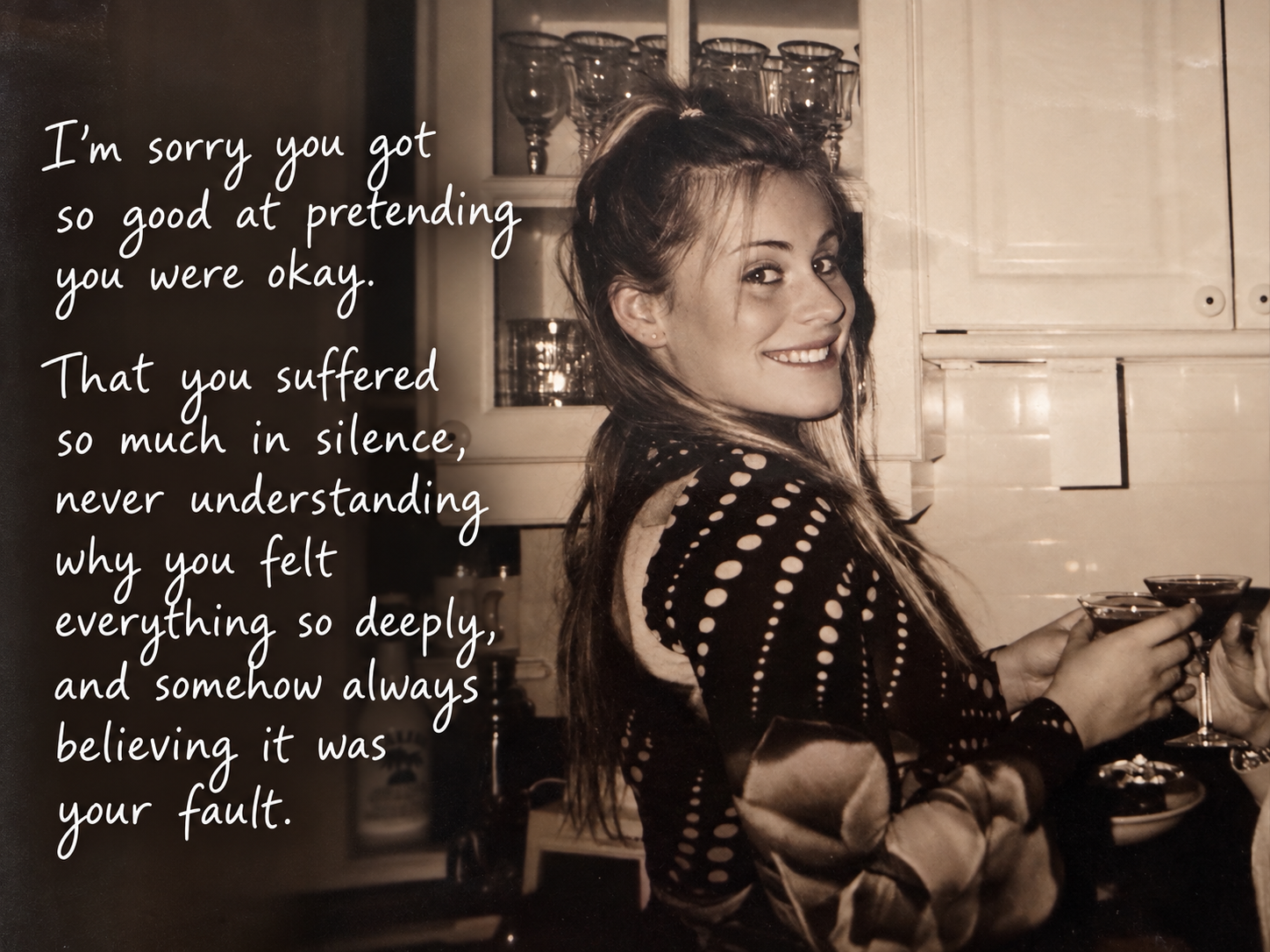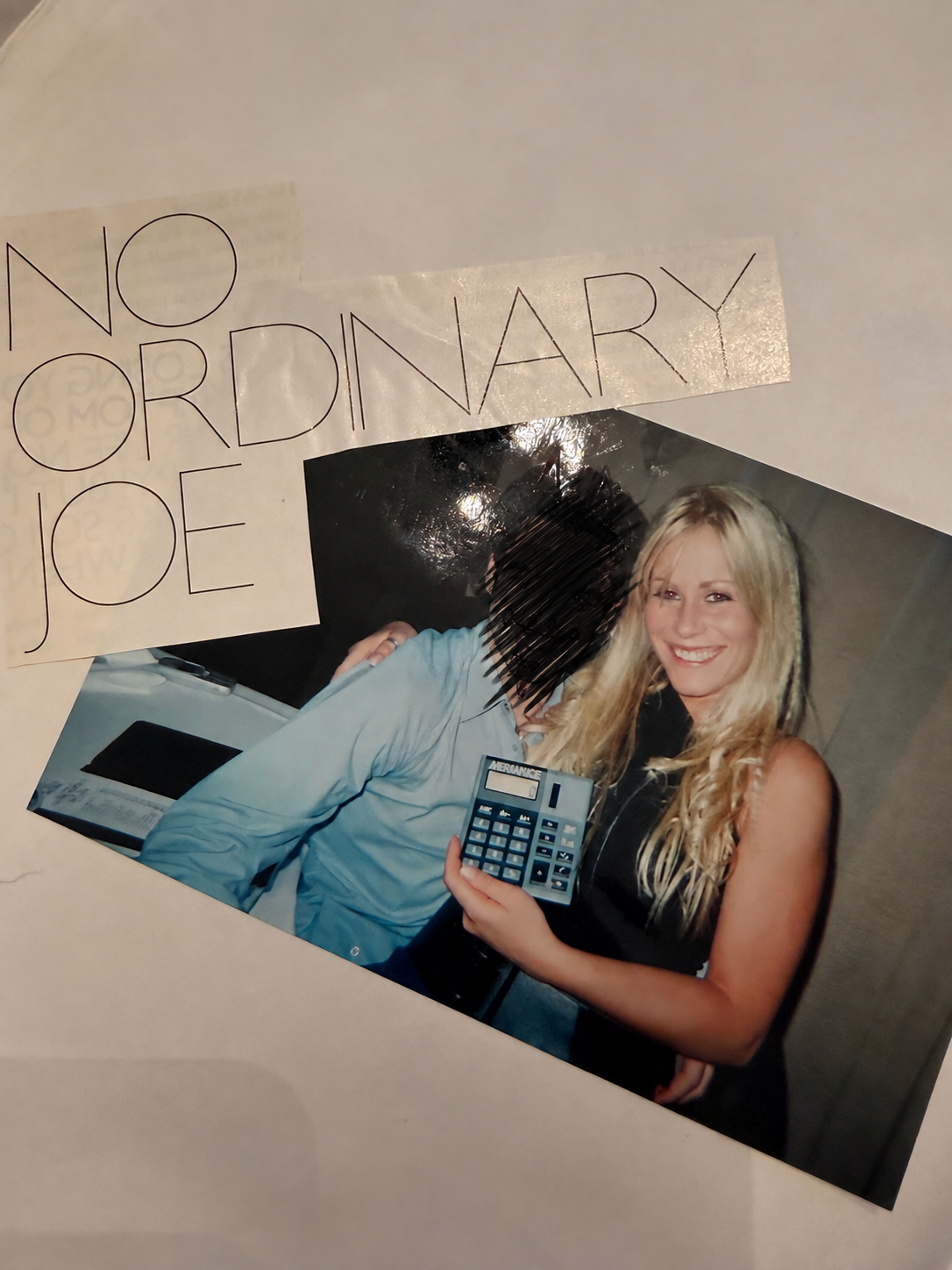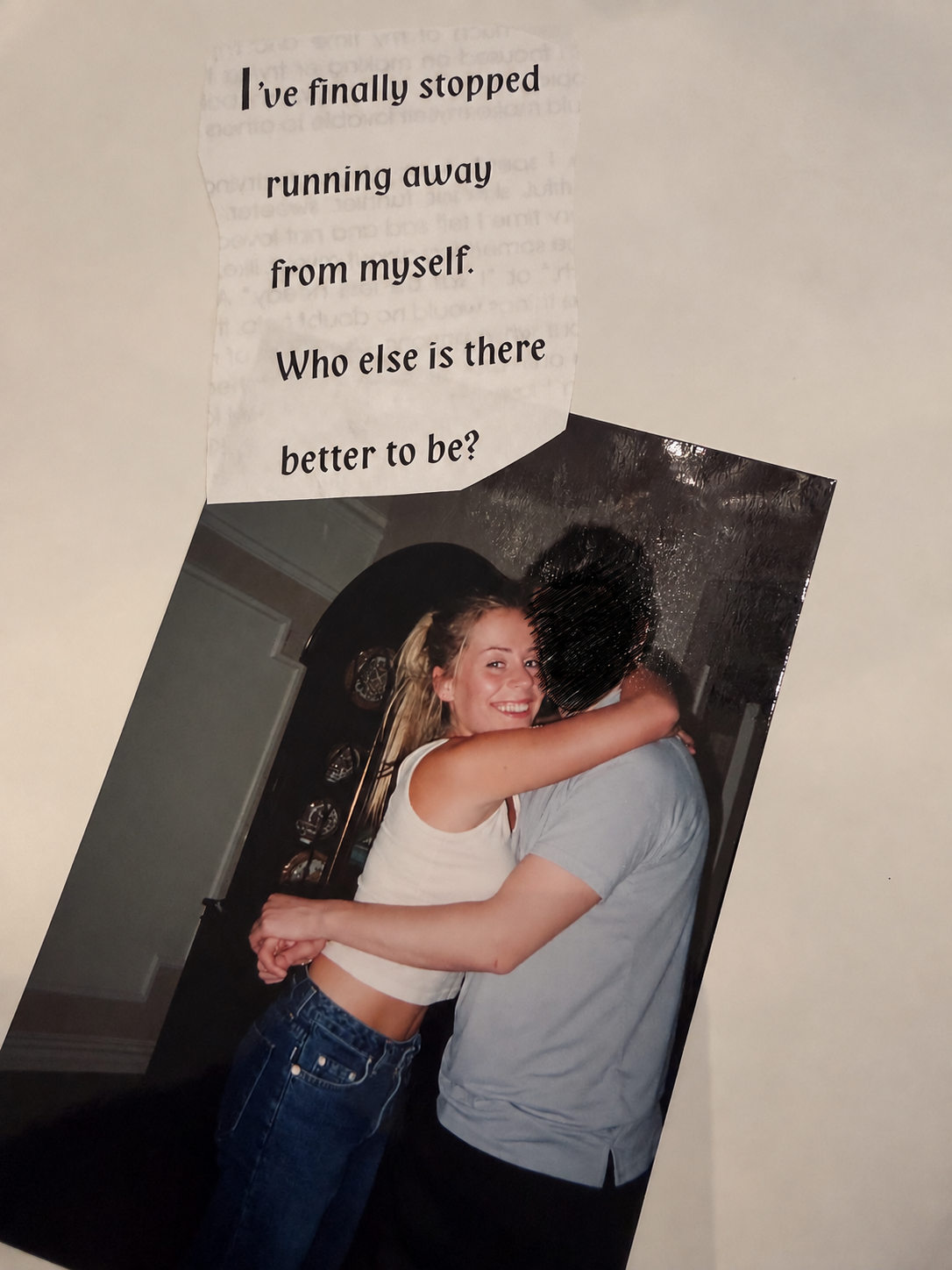
A few months ago, I was cleaning out old photo albums.
Hundreds of pictures. Bad outfits. Worse eyebrows. And, of course, a few faces scratched out—the millennial version of blocking someone.
Then I got to one album and felt this awful feeling in the pit of my stomach. The entire album was me and one of my oldest friends Jessica.
We had been “best friends” for more than 25 years. You would think looking through it would make me nostalgic. But I didn't feel nostalgic. I felt angry. Deeply upset, actually. I didn't even want to look at the pictures. So I threw the entire album away. And damn, it felt good. It's taken me months to understand why.
Because there was something else I started noticing as I went through all those old pictures: Jessica was everywhere. Every stage of my life. New boyfriends, cousins, friends of friends, new groups, new chapters—I brought her into all of it. Every few years, my life grew larger. But there she was. I kept making room for her in every new version of my life. And looking at those pictures as an adult, I suddenly realized how rarely I had felt that same thing from her.
There were tons of friends I was never allowed to meet. Groups I remained outside of. Entire parts of her life that I was never really brought into. And that realization hurt in a way I wasn't expecting.
Not because best friends aren't allowed to have separate lives. Of course they are. It wasn't about needing to be invited to everything. It was the imbalance. My instinct had always been to bring her in. And somehow, I had spent so much of our friendship feeling like I was purposely being kept at a distance.
Now, four years after we stopped speaking, I’m finally letting go of my sadness— And what finally allowed me to see all of this clearly? Sobriety. There's a strange kind of grief that comes with getting sober. This fog lifts and you start seeing things you wish you'd seen 20 years ago. I'm realizing that a lot of the people around me didn't change. I did.
Numbing looks different for everyone. Alcohol, food, shopping, drugs, sex, work, relationships, staying constantly busy. For me, alcohol and an eating disorder quieted that horrible space between something doesn't feel right and I must be the problem. And I lived in that space for a very long time. I don't miss Jessica. I'm not grieving the friendship. What I'm grieving is me.
I'm grieving how many times I was hurt and somehow made myself responsible for the hurting. How many times I tolerated cruelty and then gave more. How much time I spent trying to prove I was a good person to people who made me feel like I wasn't.
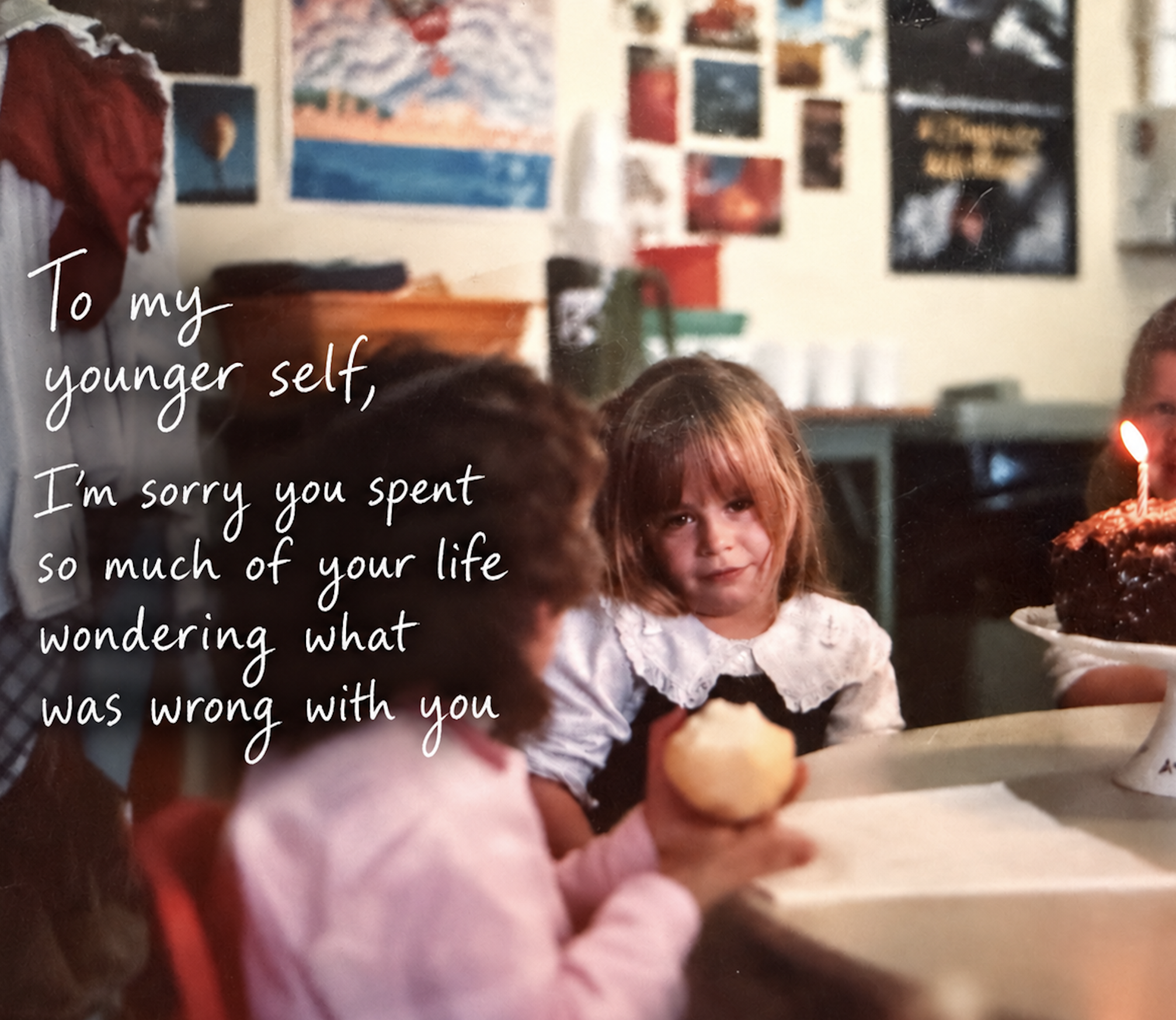
One memory goes all the way back to elementary school. A girl named Elizabeth bullied me relentlessly. When I was about 11, she had a party I wasn't invited to. Apparently, I walked by with my dog, and all the girls ran inside to hide from me. Jessica couldn't wait to tell me about it at school.Worse, she loved retelling that story for years! I always felt weird about it, but at 11, I couldn't understand why my best friend seemed to take such pleasure in my humiliation. I just knew it hurt.
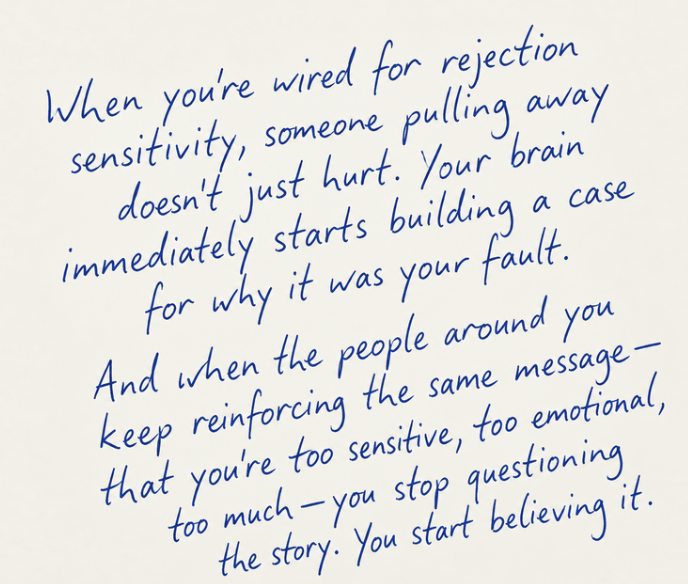
But when you're a highly sensitive kid who's constantly told you're too sensitive, you don't question how people treat you. You question yourself. And that's exactly what I spent years doing.
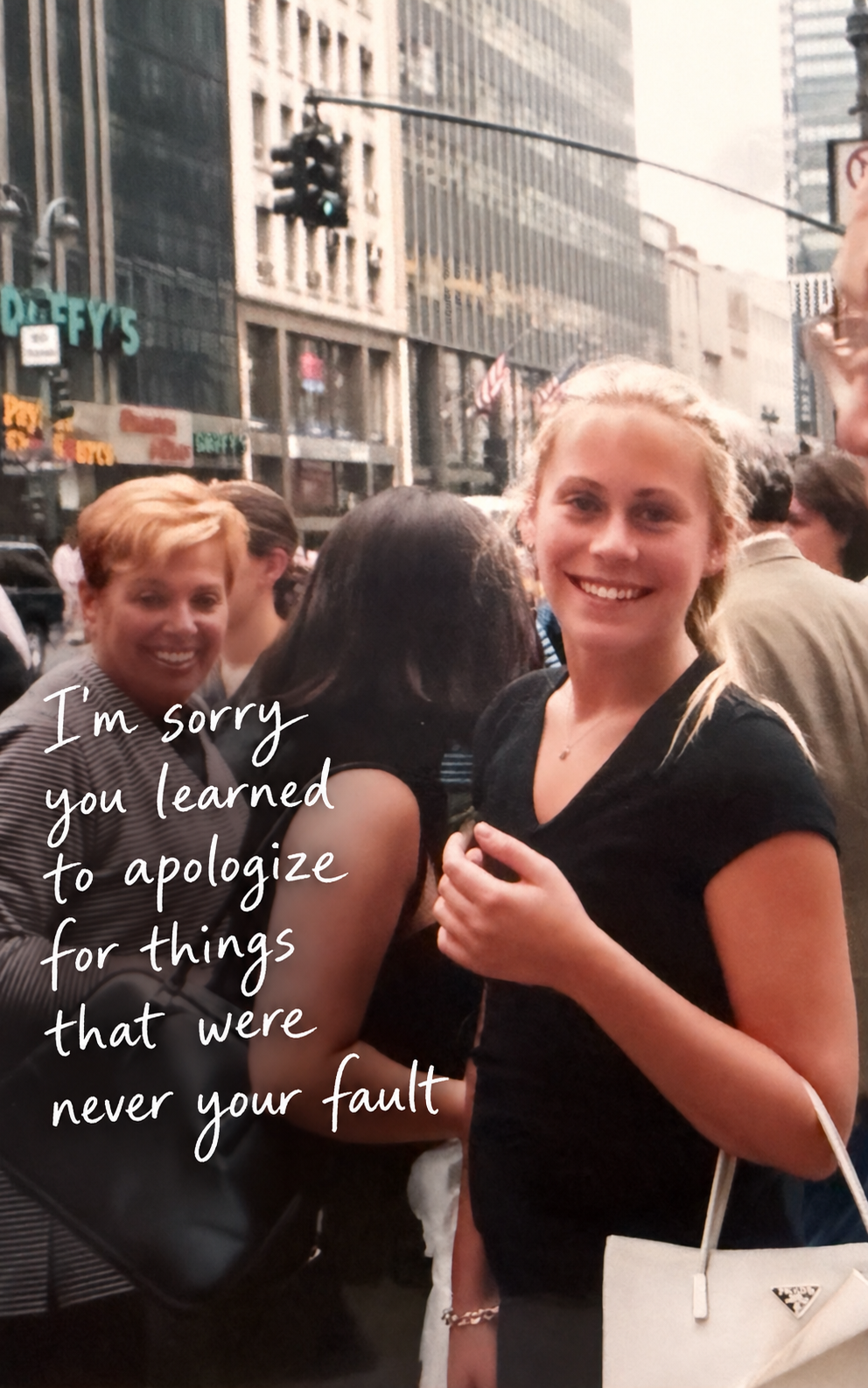
As we got older, those roles just became more established. I was the social one. I organized the parties, brought people together and made sure everyone was included. At the time, I didn't think much about whether any of it was reciprocated. It was just who I was. And that's something I have to own too. I taught people that I didn't need anything. I was so busy making sure everyone else felt included that I rarely stopped to ask myself how I actually felt in these friendships.
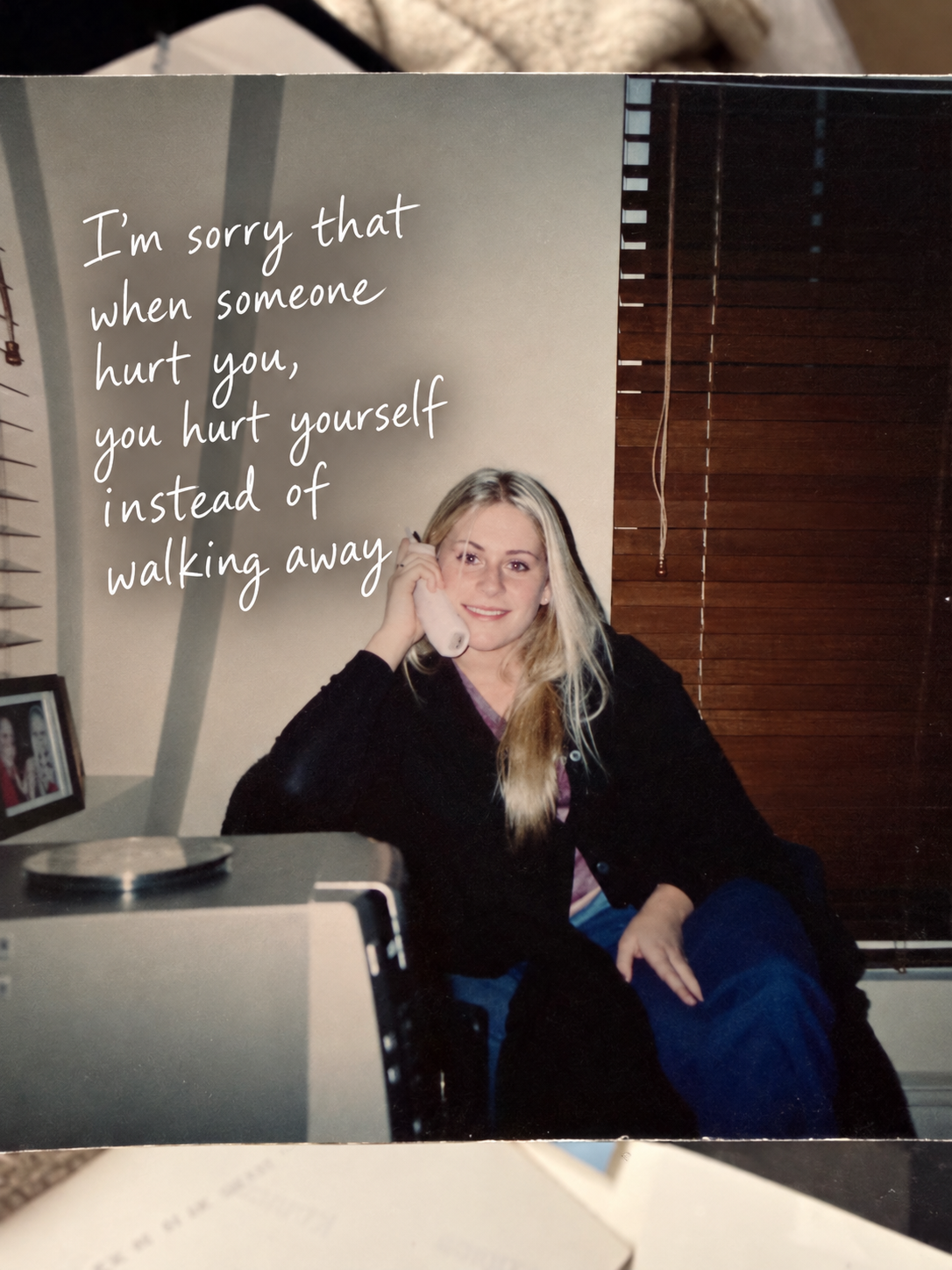
And with my ADHD and emotional sensitivity, I'd replay conversations endlessly, trying to make sense of things that didn't make sense and why I was, the way I was. I thought if I could just explain myself better, have one more conversation, I'd finally be understood. It never occurred to me that I could simply walk away. Regardless of ADHD and self-blame, I often felt like her punching bag. For what, I’ll never know.
But somehow, no matter how much I showed up, I could still end up being the person who was punished. And there was never any real loyalty to me. She seemed to enjoy when other friends were mean to me, if anything she became closer to the very people who had hurt me.
Chicago was probably the perfect example of our entire friendship dynamic condensed into one weekend. We were there for her bachelorette, and during a brutal summer heat wave, I became incredibly sick with what turned out to be strep throat. I pushed through until 1 a.m. before finally going back to the hotel. Jessica was furious. The next morning, she wouldn't look at me, wouldn't speak to me, but spoke normally to everyone else. And let's not forget, I'd paid for the entire hotel so our friends could come celebrate her. No gratitude. Just rage because I'd dared to be sick.
Today, I can see how cruel that was. Back then? My brain supplied the same explanation it always had: It must be me. I'm a shitty person. I went home, binged and purged, and turned someone else's treatment of me into evidence that something was wrong with me..
Even at her wedding, the pattern was there. I was a bridesmaid, and in classic people-pleaser fashion, I let everyone else get their hair and makeup done first. Of course, when it came time for pictures, I was the one who wasn't ready. And there it was again. The familiar coldness from Jessica and her mother. The looks. The comments. Nothing dramatic enough to point to, just enough to make me question myself. Maybe I'm too sensitive. Maybe I'm the problem.
So what did I do? I drank. I became the life of the party, desperately trying to win back approval I didn't even understand I'd lost. I didn't pull back when someone made me feel small. I performed harder.
This pattern followed me into adulthood. I once dragged my entire family to another city to visit her, only for her to avoid us most of the weekend. Even my husband at the time joked, “Does she even like you?”
Years later, during one of the hardest periods of my life, I cancelled plans twice. After more than 30 years of friendship, I never heard from her again. And somehow, I was still the one apologizing. Even when I bumped into her I found myself oversharing -practically trauma dumping in some desperate attempt to be understood.
Still asking myself the same question I'd been asking since I was 11: What is wrong with me?
Maybe Jessica has an entirely different version of why our friendship ended. I'm sure there were ways I hurt her too. But I no longer need to turn every relationship ending into a psychological investigation of my own defects.
I can't know everything Jessica felt about me. That's hers. But I can finally stop debating what I felt around her.
I felt small. I felt used. I felt confused. I felt like nothing I did was quite good enough and we were competing in a game I didn’t sign up for.
Whenever something hurt me, I almost never asked: Why is she treating me this way?
I asked: What did I do wrong?
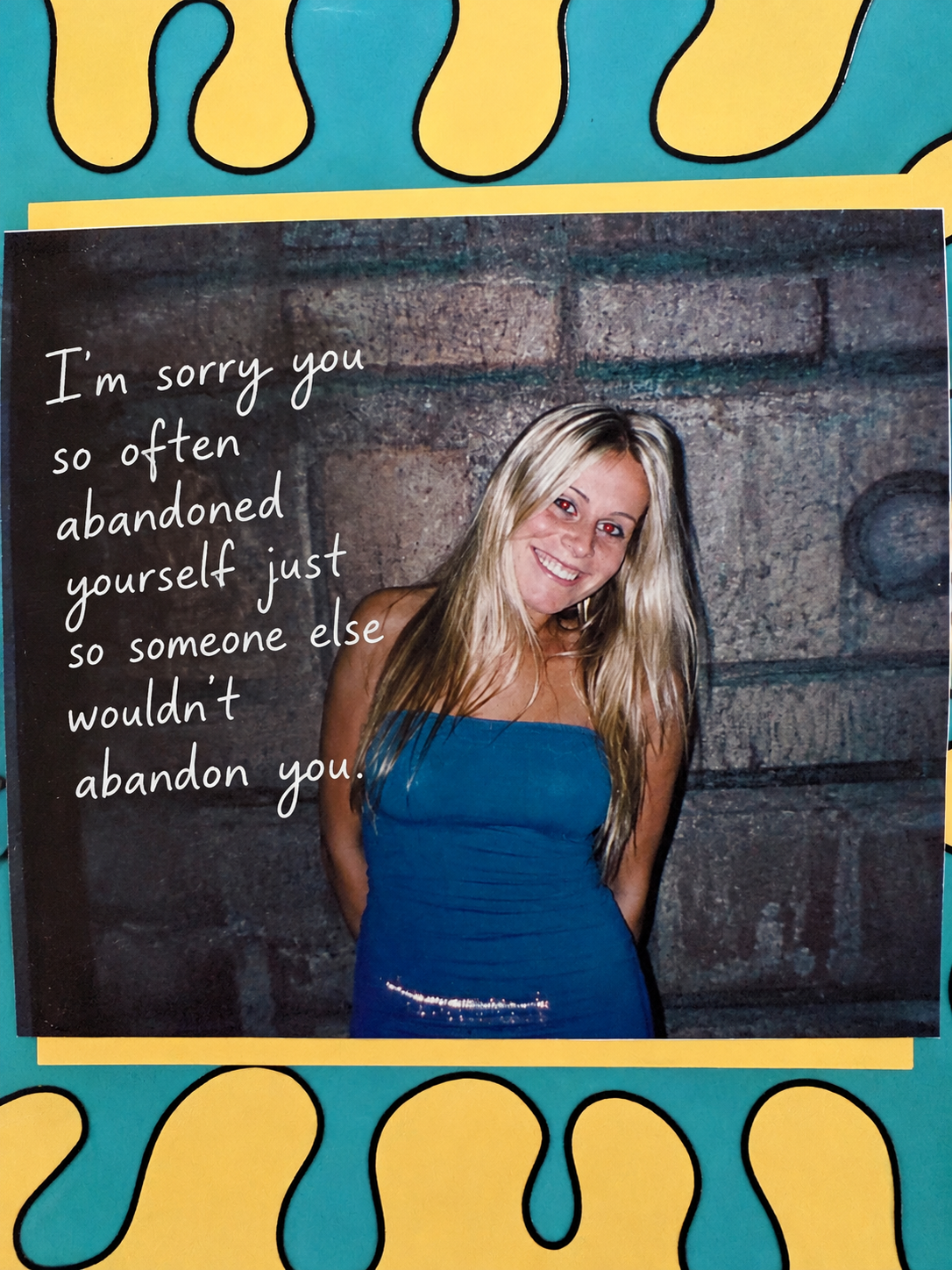
That's the part sobriety has forced me to look at. You notice how often you abandoned yourself to avoid someone else abandoning you. You notice how much giving, apologizing, explaining and caretaking went into convincing people that you were worthy of being loved.
Clarity isn't always peaceful. Sometimes it's fucking sad.
I'm grieving the younger version of me who took things she never should have had to take and then responded by giving more. The 11-year-old girl who already knew something about that story didn't feel right but couldn't explain why. The girl who was iced out and went home and hurt herself instead of getting angry at the person who had hurt her. The highly sensitive kid who learned that feeling hurt probably meant she was too sensitive, rather than considering that sometimes she was sensitive because something genuinely hurt. The woman who later gave and gave and gave because somewhere inside her was still that kid saying: See? I'm a good person.
I can't go back and make that little girl understand what she didn't yet have the capacity to understand.
So now I have to do for her what she spent decades trying to get from everybody else.
I have to have her back. I have to care deeply about her. I have to prioritize her. And most of all, I have to believe her.
Because that's what healing is. Finally becoming the person my younger self needed on her side.