
There's something particularly awful about knowing someone doesn't like you and having absolutely no idea why. For some people, it's no big deal. They shrug their shoulders, move on, and don't give it another thought.
For others, it's torture. Why don't they like me? What did I do? Did I say something? Was I too much? Too loud? Too sensitive? And the more someone pulls away, the harder they try to figure it out. They send a text. They ask what's wrong. They apologize for something they aren't even sure they've done. They share things they probably shouldn't, hoping the other person might finally understand them. And when they don't get the response they're looking for, they try again. Until eventually, the person who was originally hurt starts looking like the problem. That's the part nobody really talks about.
When Rejection Sensitivity Backfires
For people with ADHD, rejection can feel incredibly intense. Rejection-sensitive dysphoria (RSD) is a term often used to describe that overwhelming emotional response to real or perceived criticism, exclusion, or rejection. It's not a formal diagnosis, but it's an experience many people with ADHD recognize. And it can make relationships incredibly complicated when you don’t realize you struggle with it! Imagine spending years trying to understand why someone is cold toward you. Why they ignore you in a room. Why they seem to like everyone else. Why they can be perfectly pleasant one day and dismissive the next.
For someone who doesn't struggle with rejection sensitivity, the answer might be simple. Well, clearly they're not my people. But for someone whose sense of worth has become tangled up in being liked, it isn't that simple. Their brain wants an explanation….even 20 years later!! And more importantly, it wants to fix it. So they keep trying. And trying. And trying. Until their behaviour becomes the very thing people start criticizing. Suddenly, they're too emotional. Too needy. Too intense. High maintenance. And maybe, at that point, some of their behaviour really has become overwhelming. But what often gets lost is how they got there. Sometimes the reaction becomes the story, and the hurt that started it gets completely forgotten.
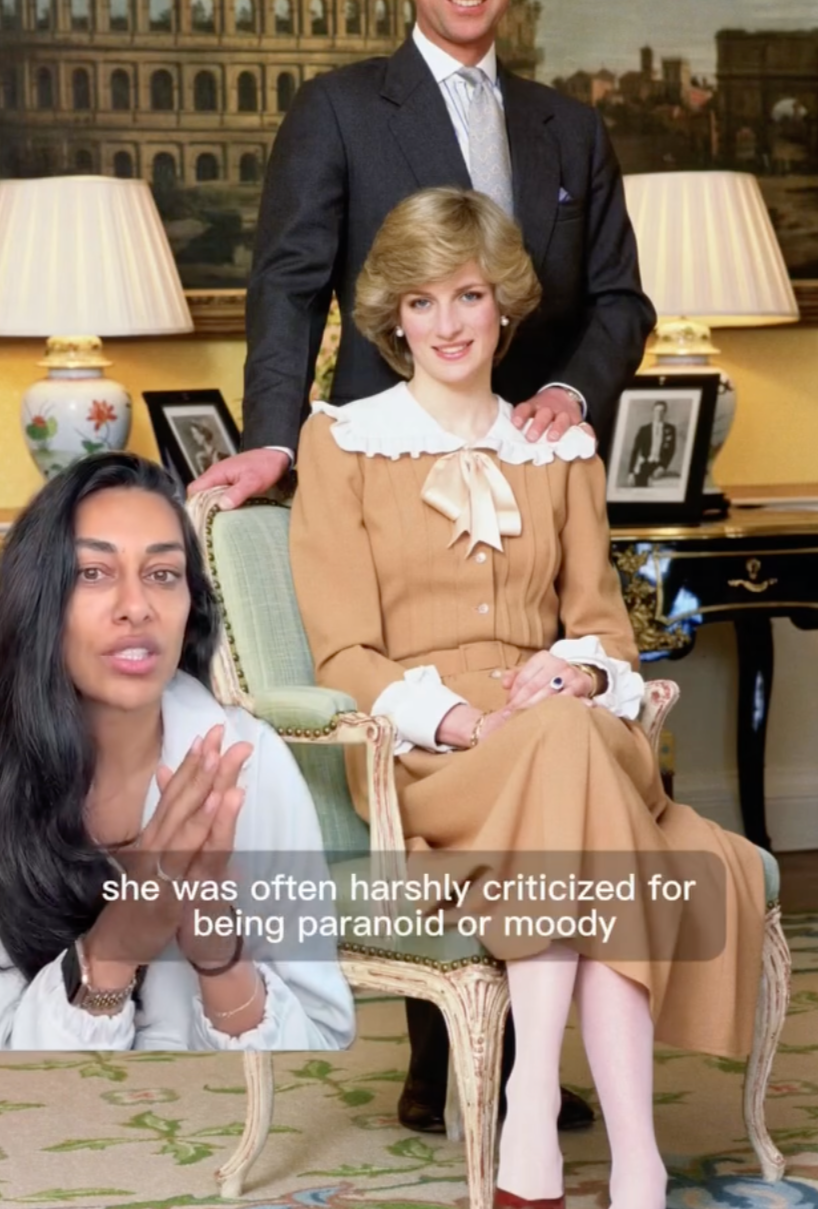
WHEN THE REACTION BECOMES THE PROBLEM
For girls and women with undiagnosed ADHD and RSD, friends and family can sometimes see them as the problem. Their intense emotions, fear of abandonment, and impulsive reactions can even resemble traits associated with borderline personality disorder.
They may spend years feeling excluded, misunderstood, or deeply hurt, without understanding why rejection affects them so intensely.
They chase explanations. Overexplain. React impulsively. Sometimes cut people off because the pain becomes too much.
And eventually, people stop noticing the hurt and start criticizing the behaviour.
The reaction becomes the story, and the pain underneath it gets completely overlooked.
And perhaps the saddest part? After years of being told they're too sensitive, too emotional, or too difficult, they start believing they're the problem, too.
The Emotional Hangover
Highly sensitive people can have an incredible ability to overthink things….as we clearly see!
They can meet someone at a party, have a perfectly nice conversation, share something a little too personal, and spend the entire drive home wondering why on earth they said it. Now imagine that same level of overthinking with someone who has actually rejected you. It's brutal. Your brain can register social rejection as a threat, setting off a stress response that you feel throughout your body. The unanswered messages. The coldness. The feeling of being excluded. The constant wondering. And then comes the oversharing. Sometimes people become so desperate to be understood that they tell someone far more than they intended to. They explain their struggles, their childhood, their mental health, their intentions. Almost as though they're presenting evidence.
See? This is why I am the way I am. Please understand. Please don't think badly of me. And afterward comes the shame. Why did I say all that? Why did I make myself so vulnerable to someone who hasn't shown much interest in understanding me? It's an awful feeling. And unfortunately, that shame can send someone right back into the same cycle, trying to repair the impression they think they've made.
Taking responsibility
This is where things get uncomfortable. Because yes, people can be unkind. They can exclude, dismiss, ignore, and hurt others.
But there comes a point when we have to stop focusing entirely on what THEY ARE doing and look at what YOU ARE doing in response. Repeatedly texting someone who doesn't respond isn't going to make them like you. Explaining your feelings for the tenth time isn't necessarily going to make them understand. Giving more to someone who rarely reciprocates isn't going to create the friendship you wish you had. And trying to convince someone that you're worthy of their attention is a pretty miserable way to spend your life. It doesn't mean your original hurt wasn't real. But feelings aren’t facts. That's an important distinction.
The goal isn't to blame yourself for how someone treated you. It's to recognize when your response is keeping you stuck in something that's hurting you. Because sometimes the biggest problem isn't that someone doesn't like you or rejected you. It's that you've made it your personal mission to change their mind. At some point, the question has to stop being "Why don't they like me?" and become "Why do I care so much?"
SO HOW DO YOU BREAK THE CYCLE?
First, you have to recognize what's actually happening.
For someone with ADHD, whose brain may already struggle to regulate the intense emotions that come with rejection or criticism, there's often another layer to all of this. Old childhood wounds. For someone who grew up feeling unseen, criticized, or like love had to be earned, rejection can trigger something much deeper than the situation itself. It's not always about the unanswered text or the invitation that never came. Sometimes those experiences bring old feelings of not being good enough right back to the surface. So you're not just reacting to what's happening in front of you. You're reacting to childhood wounds of feeling unwanted, dismissed, or not good enough. And when you combine rejection sensitivity with old emotional wounds, it's no wonder those feelings can become so overwhelming. That's why self-awareness matters so much. Carl Jung explored the idea that unconscious patterns can continue to shape our lives until we become aware of them:
"Until you make the unconscious conscious, it will direct your life and you will call it fate."
And think about how true that is when it comes to relationships. You can spend years repeating the same patterns, chasing the same kinds of people, overgiving, apologizing, and wondering why you keep ending up hurt. Sometimes the pattern isn't just about who keeps hurting you. It's about what you keep tolerating, what you keep chasing, and why. And until you recognize that, it's very difficult to change it. You can't control the initial feeling, but you can learn to recognize where it came from.
The urge to send another text. To explain yourself again. To apologize when you haven't done anything wrong…replaying what you think THEY are thinking on a loop…. That's your cue to stop and get curious. Not to judge yourself. Just to ask a few questions. And this is where emotional regulation comes in. It's learning to create a little space between what you feel and what you do about it. Just because something hurts doesn't mean you have to react to it immediately. You can feel rejected without chasing. Angry without lashing out. Misunderstood without writing a five-paragraph text explaining yourself. That pause between feeling something and reacting to it? That's the superpower. It's where you stop letting old wounds make decisions for you and start choosing how you want to respond.
Viktor Frankl wrote, "When we are no longer able to change a situation, we are challenged to change ourselves."
And maybe that's the lesson here. You can't make someone like you. You can't force someone to understand your intentions. You can't control what they say about you, how they remember the relationship, or whether they think you were the problem.
And God knows you can waste an unbelievable amount of time trying. And perhaps the biggest shift of all is realizing that you don't actually need everyone to like you. Because the moment you stop trying to convince someone else that you're worth choosing is often the moment you finally start choosing yourself.