
DEAR ADDICTION:
Before saying goodbye, it’s vital to acknowledge why the addiction existed. We don't turn to substances or behaviors because we are "bad"; we turn to them because we are hurting.
Ending a relationship with an addiction is a grieving process. You are losing a coping mechanism that you’ve relied on for years. Be gentle with yourself. You aren't just losing a habit; you’re learning how to live without a crutch you thought you needed to walk
The Purpose: For many, addiction was a form of self-medication. It was the only "friend" available when trauma felt too heavy and there was no safe person to talk to.
The Validation: It’s okay to admit that, for a time, it helped you survive. It numbed the pain, silenced the anxiety, or filled the void. Recognizing this removes the shame and allows for a more honest "break-up."
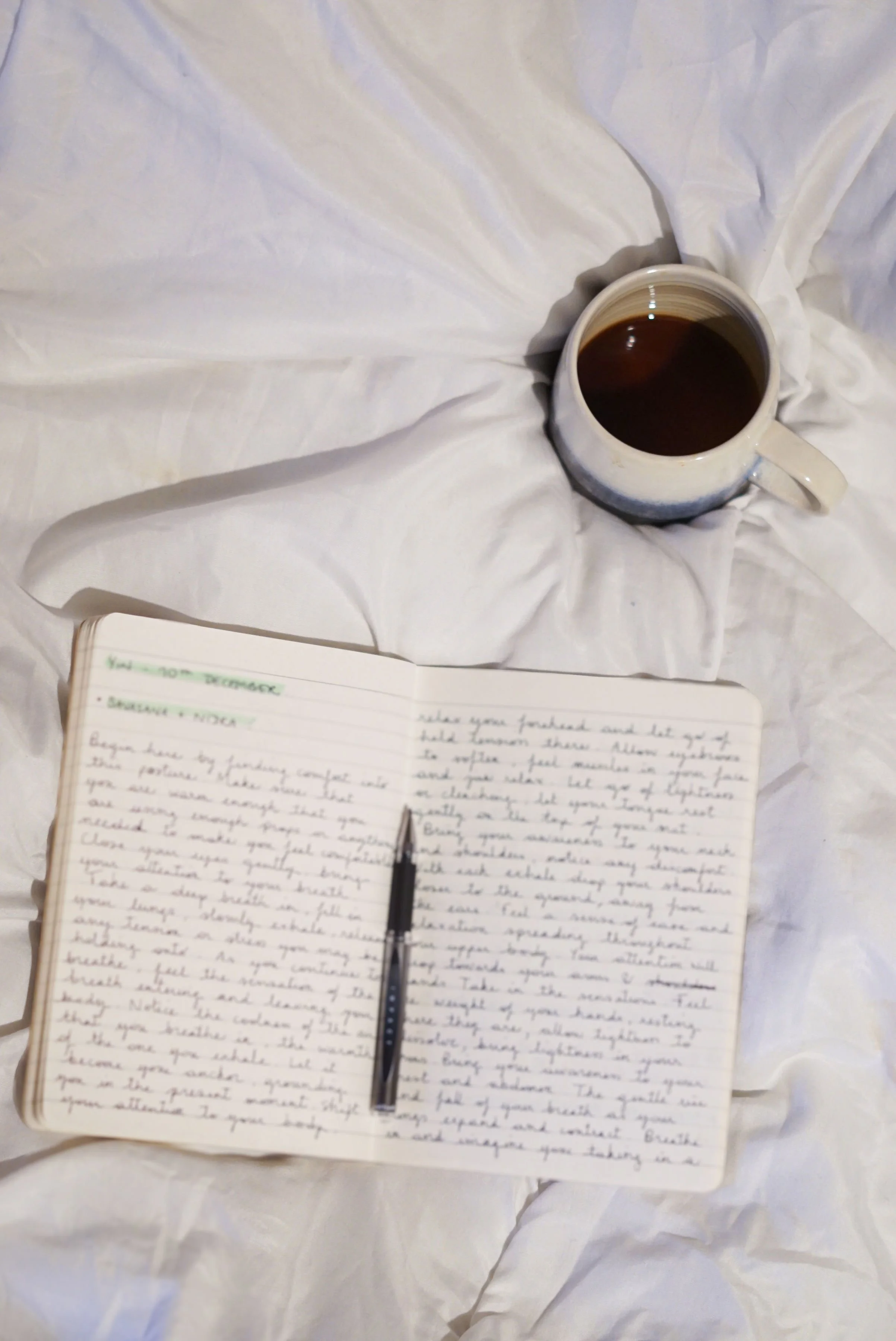
Ingredients
1 Favorite Pen: One that glides easily, because your truth deserves to flow without resistance.
2 Sheets of Paper: One for the messy feelings, and one for the clean start.
A Heaping Spoonful of Honesty: To admit that the addiction was your "comfort food" for a long time.
A Dash of Compassion: To forgive yourself for needing a shield when you were in pain.
Part I: The "Thank You" (For the Protection)
Write about what the addiction did for you when you had nothing else.
“Dear [Addiction], I’m writing to acknowledge that you were there when the world felt too loud. You helped me go numb when the memories of my past were too sharp. When I had no one to talk to, you were the quiet escape I used to survive.”
Part II: The "Cost" (Why it’s over)
Write about what the relationship is costing you now.
“But the price of your protection has become too high. You started as a shield, but you’ve become a cage. I’m losing my time, my health, and my connection to the people I love. I can no longer grow while I’m hiding behind you.”
Part III: The "Goodbye" (The New Boundary)
Firmly state that the relationship is ending.
“I am reclaiming my voice. I am learning new ways to handle the pain you once numbed. This is my formal notice: we are over.”
Important: Know Your Limits
Take a Breath: If writing this feels like too much, stop. Put the pen down. You don’t have to finish this in one sitting.
Don’t Go It Alone: If the thought of "breaking up" feels terrifying or physically impossible, please do not do this in isolation.
Seek Therapy: A professional can help hold the space while you process the trauma that the addiction was covering up.
Find a Safe Person: Reach out to a trusted friend, a sponsor, or a support group. You don't have to carry the weight of the "break-up" by yourself.