
The New ‘Nepo Baby’ Isn’t in Hollywood. It’s in Your Feed
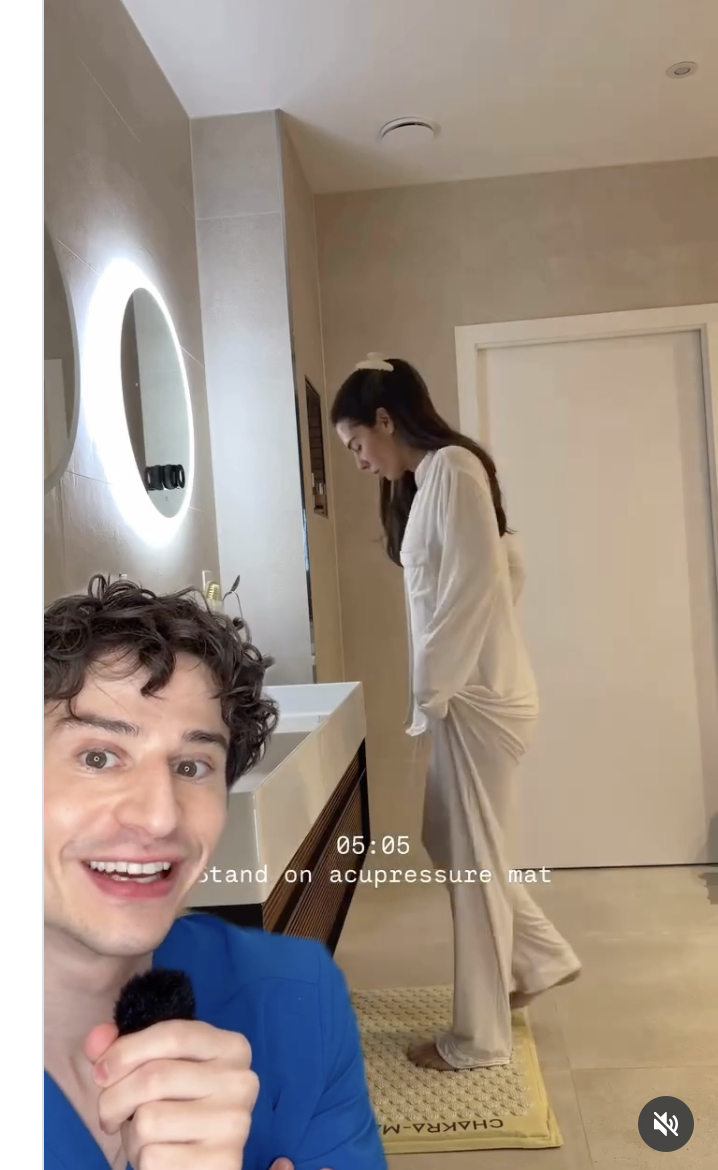
Social media can be a dangerous place if you struggle with spending or comparing your life to unrealistic standards.
This isn’t a post to attack ‘famous’ influencers. Most of them are simply playing the game the internet created.
But it’s worth understanding the rules of the game before you start comparing your life to theirs.
Because many of the people we follow didn’t start on the same financial playing field.
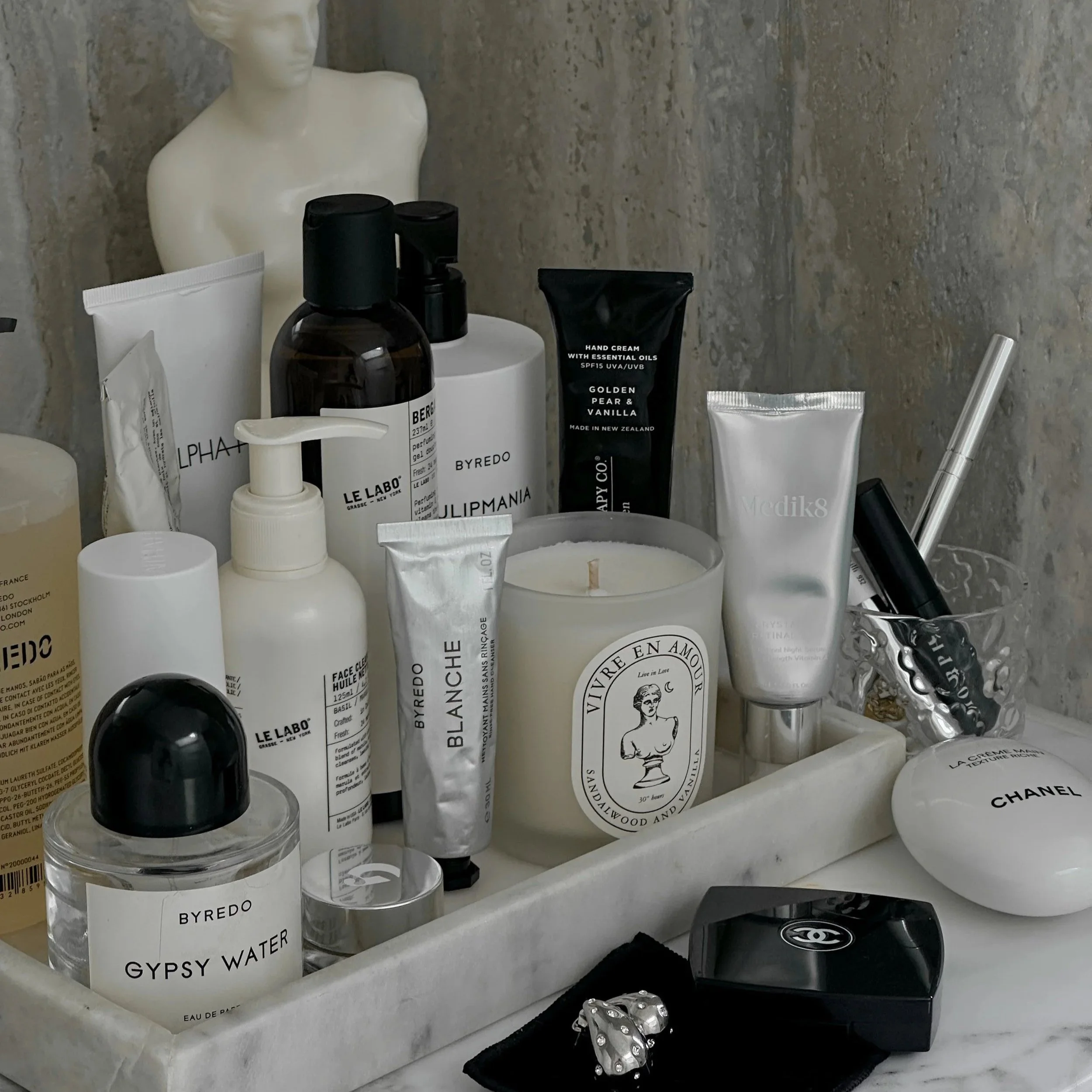
How did we get here? When did “normal life” start looking like:
$2,000 laser facials… multiple times a year
Designer bags on rotation
Multiple workouts a day
Constant vacations— business class, of course
A 47-step skincare routine that changes every 4 weeks
This isn’t wellness. This is wealth… being performed.
And here’s the dangerous part: Keeping up with the Joneses isn’t about your neighbors anymore. Now? The Joneses are millionaires. And they live in your phone.
We’re watching people with extreme access, money, and sponsorships… on a loop. And our brains quietly adjust: “This is normal.” It’s not.
The Reality Check
Research shows the toll this "digital inadequacy" takes on our collective nervous system:
The 3-Hour Rule: People who spend more than 3 hours/day on social media are twice as likely to experience poor mental health (SingleCare, 2024).
The Body Image Gap: 46% of teen girls say social media makes them feel worse about their body (Pew Research Center, 2023).
Depressive Symptoms: Social comparison online is directly linked to lower self-esteem and higher depressive symptoms (Frontiers in Psychology).
Addictive Loops: Up to 40% of users show signs of addictive or problematic social media use (Addictive Behaviors Reports).
It makes sense. What you’re consuming all day is "perfect people / perfect homes / perfect routines" with one key detail missing: the financial reality behind it.
The Influencer "Glass Ceiling"
We called this out in Hollywood. We acknowledged that not everyone started at the same place. Some had connections, access, and a massive head start.
Social media is no different. The majority of the "most successful" influencers promoting their lifestyle brands didn't start from nothing. They were built with:
Financial backing (the "Bank of Mom and Dad" or wealthy partners and in turn private equity).
Proximity to power and access to high-profile circles.
Intergenerational wealth.
There are influencers celebrated for their "discipline" and "consistency"—even invited to speak at top universities—without anyone ever acknowledging the elite networks that launched them.
That doesn’t make them inherently dishonest. But it does make their lifestyle less replicable than it looks.
Different Playing Fields
You’re watching someone who can:
Buy a $1,700 Miu Miu dress like it’s a basic tee from Costco.
Schedule facials in the middle of a Tuesday.
Spend 3 hours on a morning routine with zero stress for time.
Go to a fancy lunch mid week without checking the clock… or the bill.
Meanwhile, the system is doing exactly what it was built to do: keep you watching… keep you wanting… keep you spending.
Reclaim Your Reality
This level of consumption is not sustainable. And it’s definitely not wellness.
Wellness isn’t buying more, doing more, or looking richer. Wellness is feeling grounded in your actual life.
If your Visa bill is out of control or your mood tanks after a scroll, it's time to Detox Your Feed:
Mute the "Behind" Feeling: If a creator makes you feel "behind" in life, mute them.
Follow accounts that validate your thoughts , like this Dr. for example: https://www.instagram.com/p/DUinrI-FFkG/
Unfollow the Unrealistic: If they are selling a lifestyle you can't realistically live, they aren't inspiring you—they're draining you.
The Size Test: If your life feels smaller after scrolling… that’s not inspiration. That’s manipulation.
Knowledge is power. The moment you understand the system, it stops having power over you.